
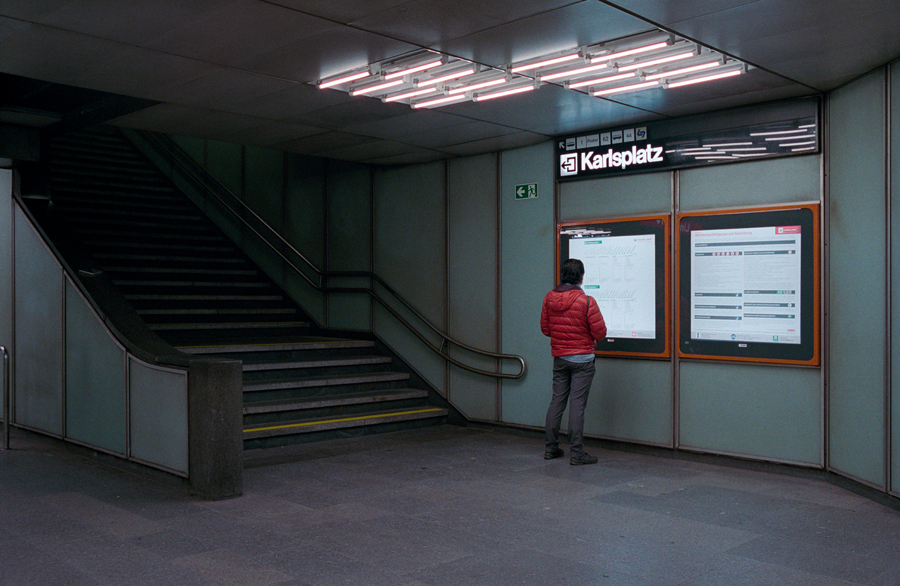
Vienna, Austria
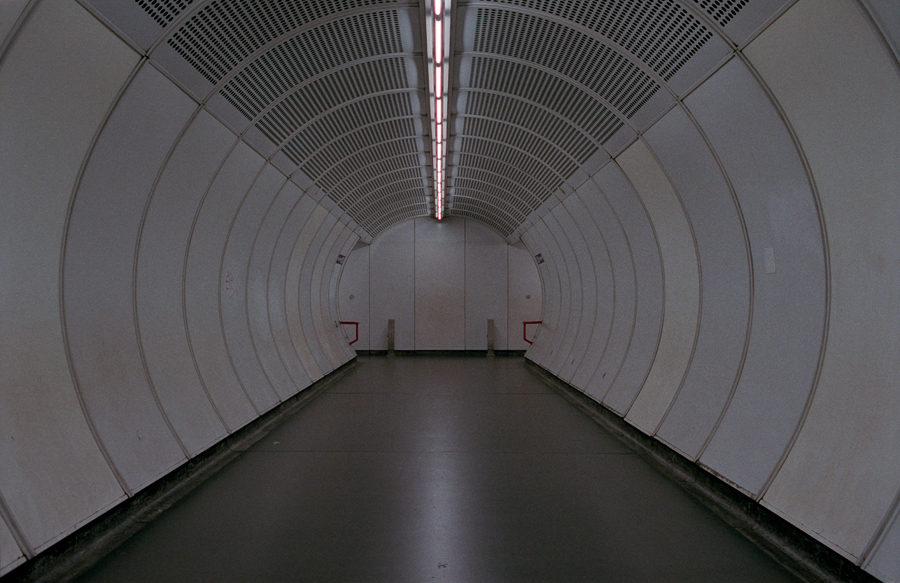
Located beneath Vienna’s busiest intersection, the Opernpassage was designed by modernist architect Adolf Hoch. Inaugurated on November 4, 1955, the day before the reopening of the Vienna State Opera, the passage embodies Austria’s postwar urban optimism and represents a major step in the development of the city’s underground pedestrian infrastructure. In the 1970s, it was integrated into the U-Bahn network through the Karlsplatz interchange station, offering direct underground access to the Vienna State Opera, the Vienna University of Technology, and the Naschmarkt, the city’s largest market. Fully restored in 2013 and meticulously maintained since, the Opernpassage combines round columns, glass display windows, and a checkered floor in an example of architecture that balances refinement and functionality.
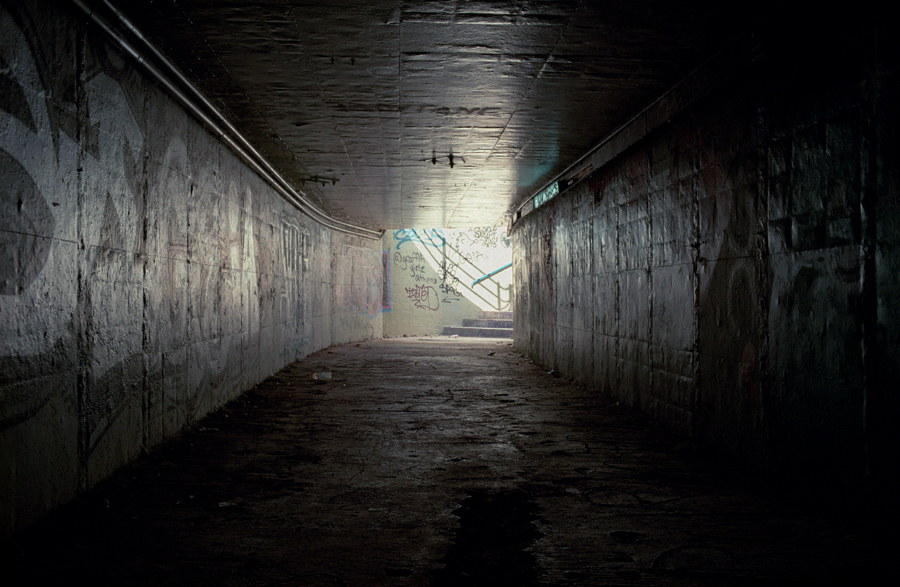
Athens, Greece
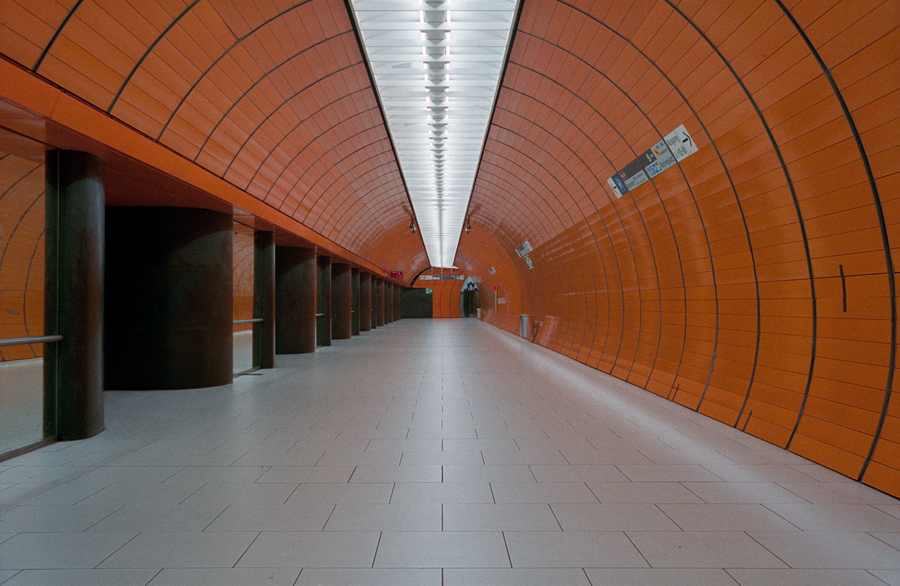
Munich, Germany
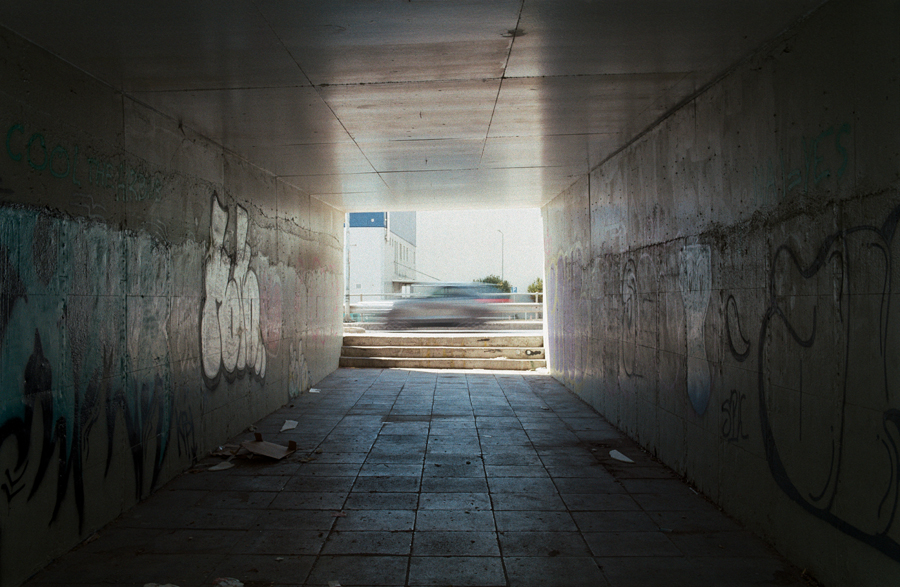
Athens, Greece
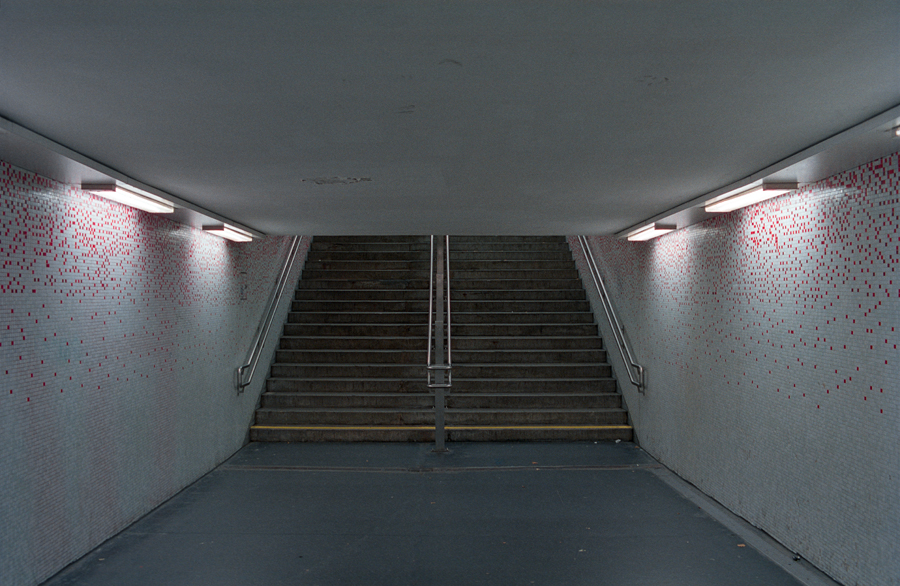
Vienna, Austria
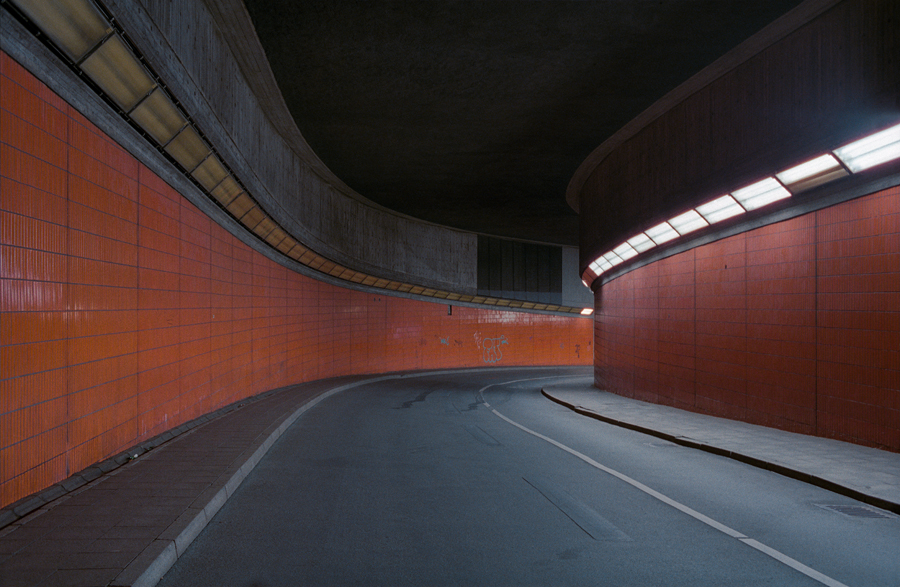
Berlin, Germany
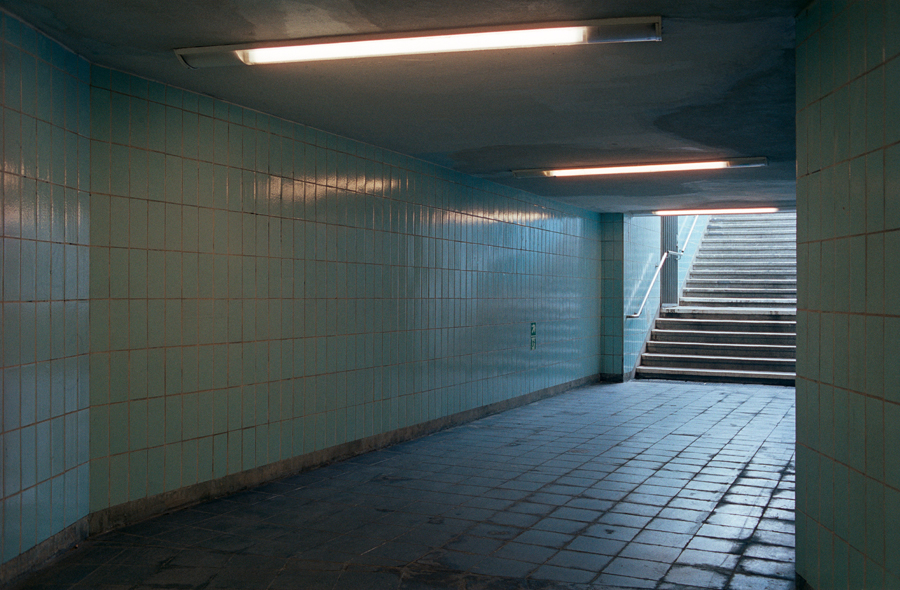
Opened in 1979, the International Congress Center Berlin is one of the largest convention centers in the world. Conceived by Berlin architects Ralf and Ursulina Schüler-Witte, it stands as one of postwar Germany’s landmark buildings: four years of construction and an inflation-adjusted cost of two billion euros made it the most expensive structure ever built in West Berlin. Closed since 2014 due to asbestos contamination, the building faced potential demolition before being listed as a historic monument in 2019. Tiled in vivid orange and marked by a distinctly 1970s Berlin aesthetic, its underground passages have become iconic film sets for Hollywood blockbusters such as The Bourne Supremacy, The Hunger Games, Atomic Blonde, and Captain America: Civil War.
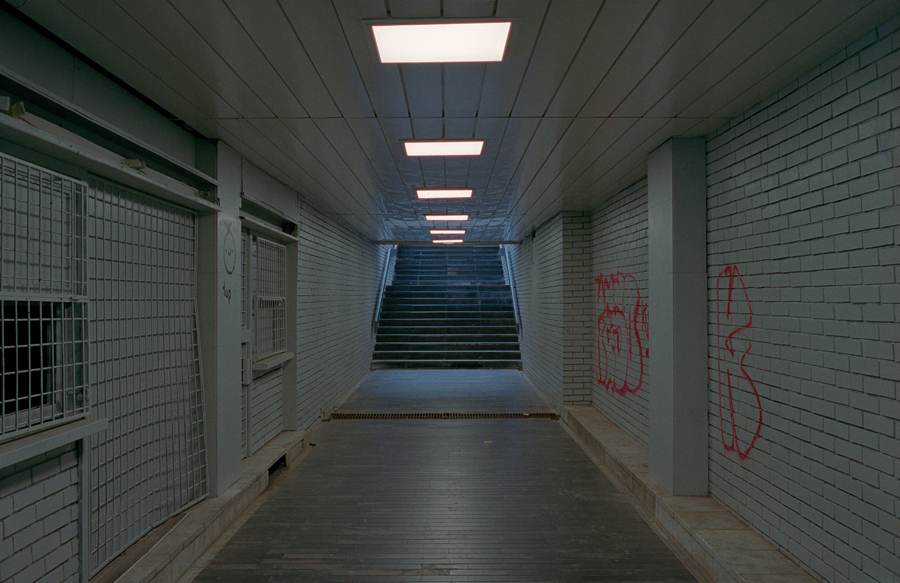
Belgrade, Serbia
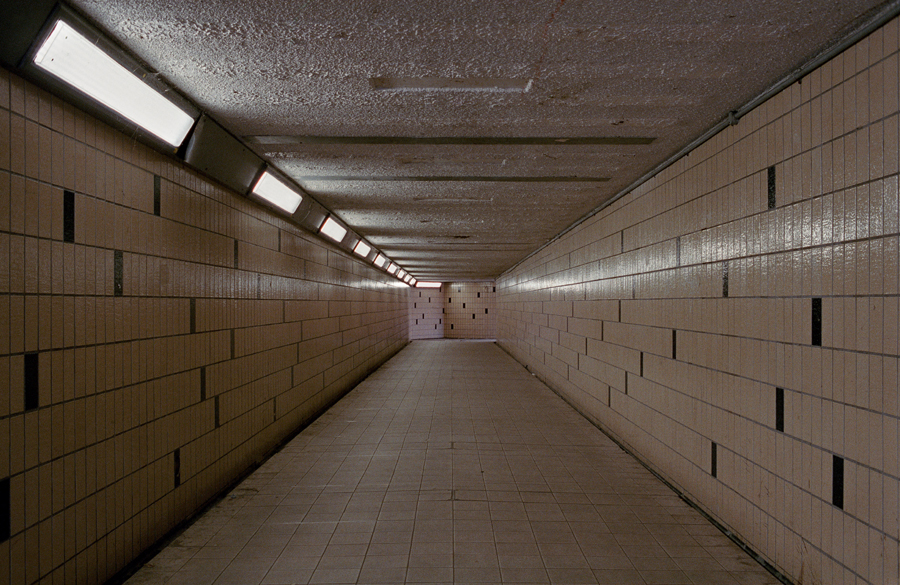
Colchester, England
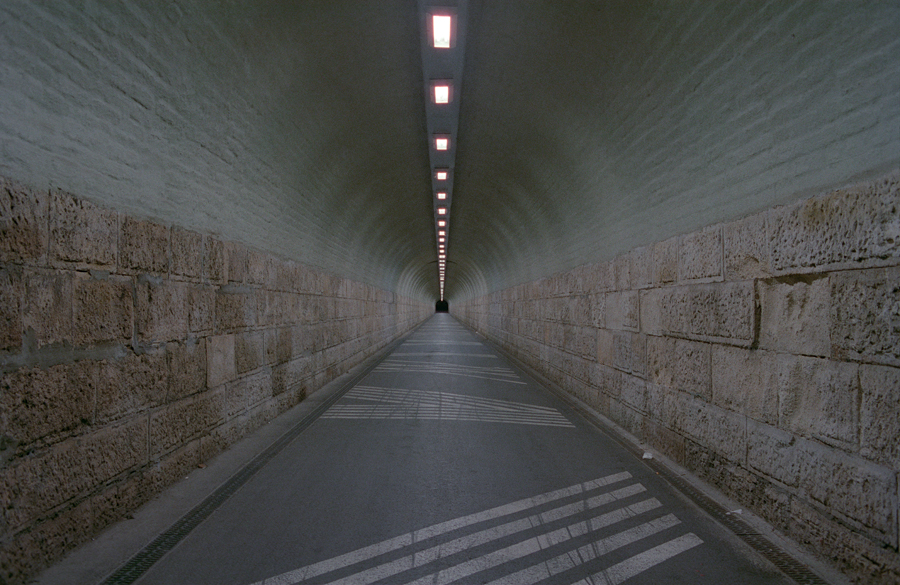
Budapest, Hungary
Underpasses represent a little-known aspect of Budapest’s architectural heritage. Distinctive urban signatures, the aluljárók are a living part of Budapest’s morphology: more than a hundred exist across the city, used daily by nearly 60,000 people. The first structures appeared in the 1960s and multiplied during the large-scale modernization projects of the 1970s: the creation of expressways, the reconfiguration of major squares and intersections, and the construction of new metro lines. These passages transform into multi-level pedestrian galleries at key intersections of the metro network. They host kiosks, florists, and newsstands, serving both as small commercial spaces and as daily shortcuts through the city.
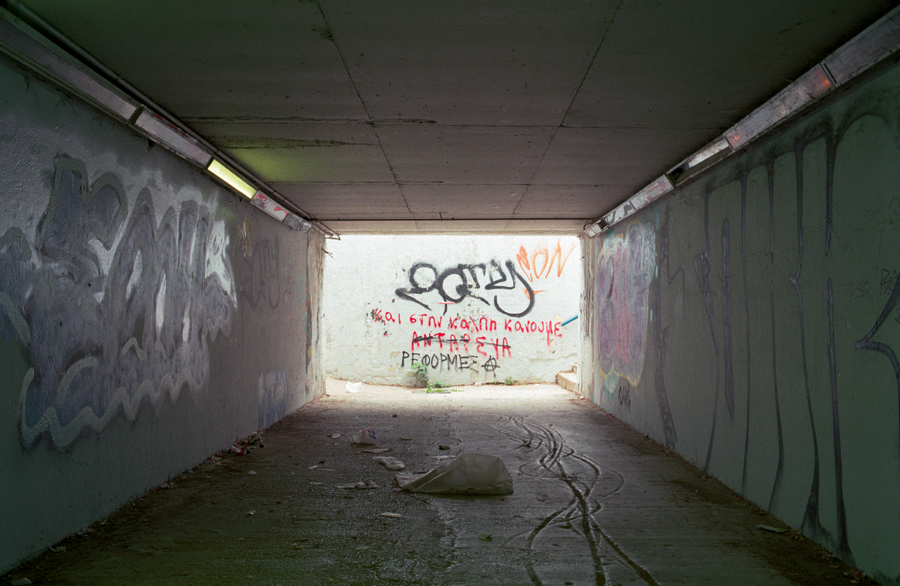
Athens, Greece
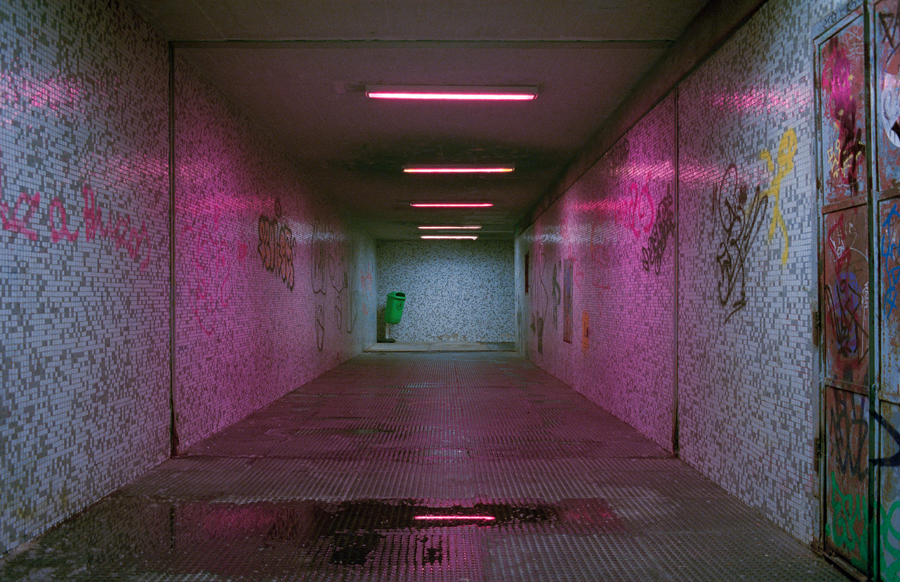
Budapest, Hungary
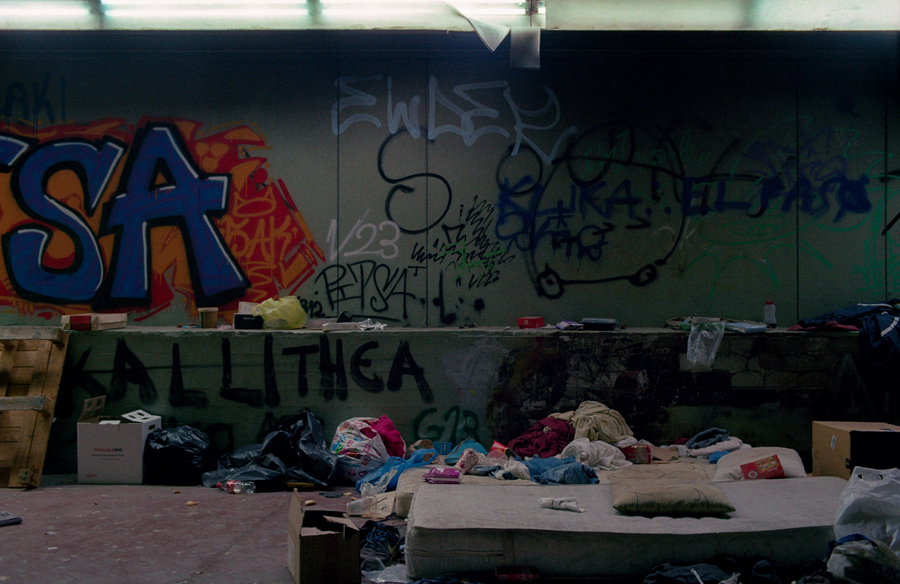
Athens, Greece
Hidden beneath the eight-lane Andrea Syngrou urban highway connecting downtown Athens to the Bay of
Faliron, this passage has no official name: it is simply listed by the municipality as a pedestrian underpass. A buried link under an avenue that carries hundreds of thousands of vehicles each day, it is one of the few pedestrian connections between Kallithéa and Neos Kosmos, two neighborhoods split apart by this urban cutline. Rudimentary, graffiti-covered, and often filled with trash, the underpasses of Tsimentopoli (“the city of concrete”) frequently shelter vulnerable populations and stand as witnesses to the decay of infrastruc- tures following the austerity policies implemented in Greece since the 2010s.
Berlin, Germany
Chelmsford, England
Vienna, Austria